
A classical Christian college committed to absolute truth
A limited-enrollment community of Reformed Christian scholars and students, in the life of Providence Church on the Gulf coast of Florida. The inaugural freshman class enters in Fall 2027.
To strengthen the Church with ministerial and lay leaders
We seek to strengthen the Church through a limited-enrollment Classical Christian Studies program, a two-year Associate of Arts and a four-year Bachelor of Arts, that develops ministerial and lay leaders who stand against the world and for Christ in service to our churches, communities, and our various callings.
Our Mission and MottoAssociate of Arts
The foundations: composition and rhetoric, logic, the Great Books, both Testaments, and Latin, Greek, or Hebrew from the first semester.
Years One and TwoBachelor of Arts
Political theology, Christian aesthetics, apologetics, the classical language reading seminar, and a senior thesis defended before faculty and peers.
Years Three and FourSister Institutions
Couple your studies with degrees, diplomas, certificates, or badges from New Saint Andrews College, the Theopolis Institute, and five more.
See the List“Crucial to the devil’s plan is keeping the Church unconcerned with absolute truth, while heavily invested in the ‘Current Trend.’”
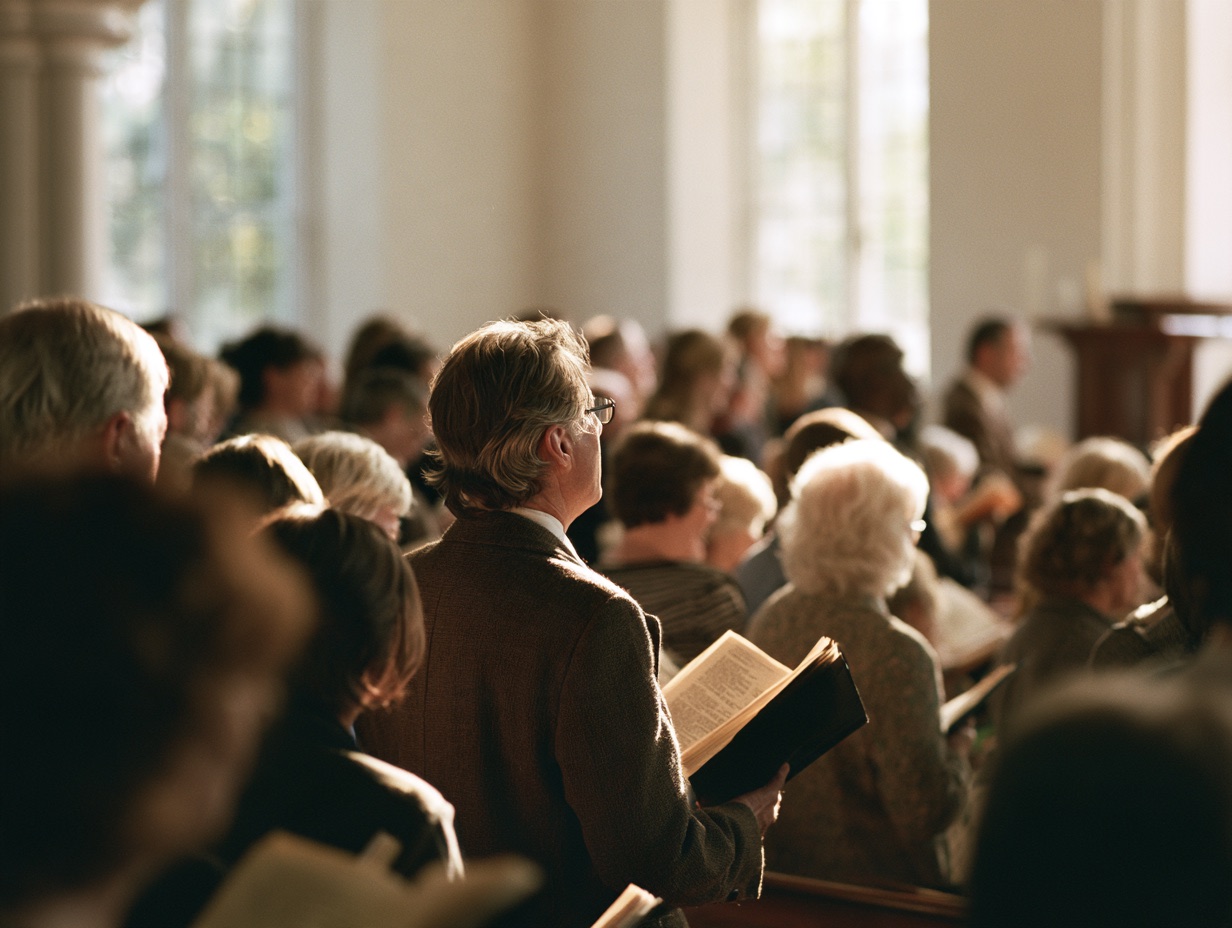
By the water, and by the proclamation of God’s Word
Athanasius College is non-residential and closely integrated into the life and community of Providence Church, a member of the Communion of Reformed Evangelical Churches. Students find room and board with member households, and benefit from the hospitality, the many activities, and the robust worship the congregation is most known for.
You’ll be enlivened by the joyful singing, the relentless hospitality, and the nearby beaches of the Gulf coast, as part of the life of the church and our coastal city.
About the CollegeOne program, taken together
Stand with us.
Now accepting applications for our inaugural freshman class of Fall 2027. Every applicant is read whole: transcripts, a writing sample, references from church and school, and an interview.
College in the context of the local church
Athanasius College is a limited-enrollment, non-residential, classical Christian college closely integrated into the life and community of Providence Church in Pensacola, Florida.
To strengthen churches with ministerial and lay leaders
The purpose of Athanasius College is to strengthen churches with ministerial and lay leaders equipped to stand against the world and for Christ in service to the church, community, and vocational callings.
Contra mundum, pro Christo
The College is named after Saint Athanasius of Alexandria (c. 296–373 AD), a theologian, bishop, and Church father whose fierce defense of orthodoxy earned him the title Athanasius contra mundum, “Athanasius against the world.” He lived during a pivotal century in which the Church was forming its identity, its sacred texts, and its core theology. At the Council of Nicaea he successfully argued for the Trinity against Arianism, establishing the doctrine that Jesus is fully and eternally God. When successive Roman emperors later embraced Arianism, Athanasius refused to compromise, and was exiled on five occasions. He also published the earliest definitive list of the twenty-seven New Testament books.
The motto, “against the world, for Christ,” expresses a stance of holding firm to Christian faith despite widespread disagreement or opposition from the general opinion or culture.
- Contra mundum
- “Against the world,” or “against all.” A position that opposes prevailing opinions, and holds a firm viewpoint despite broad opposition. Famously associated with the fourth-century church father’s steadfast defense of the deity of Christ against the Arian heresy, when much of the church had turned away from orthodoxy.
- Pro Christo
- “For Christ.” In a missional context, an active way of life dedicated to the principles and teachings of Christ, not merely a passive belief.
Combined, the motto encapsulates a belief in standing against worldly pressures and popular opinion in order to remain faithful and committed to Christ and Christian truth.
A college inside a congregation
Providence, located in Pensacola, Florida, is a member of the Communion of Reformed Evangelical Churches. Students can find room and board arrangements with member households and benefit from the hospitality, the many activities, and the robust worship that the congregation is most known for.
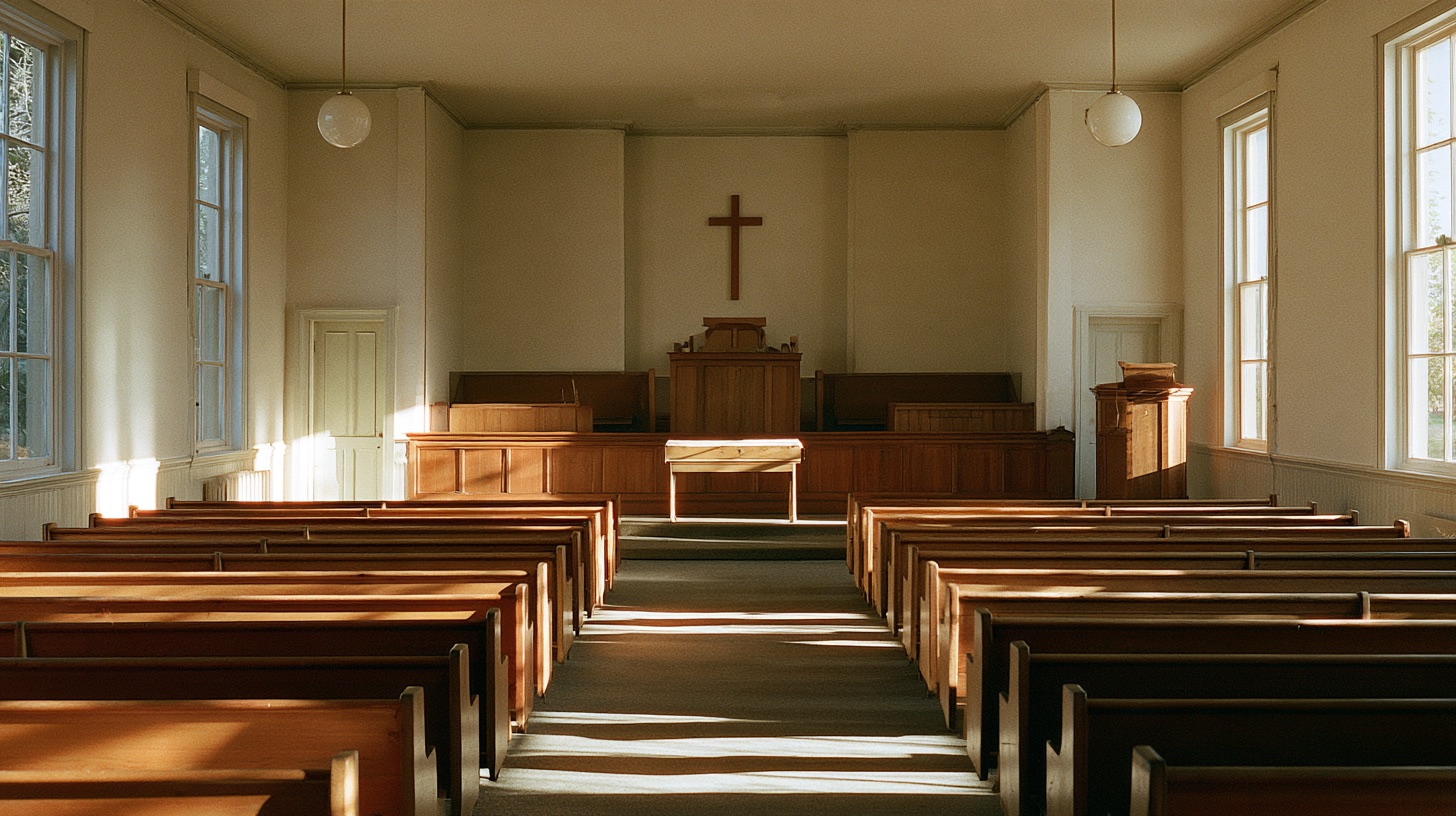
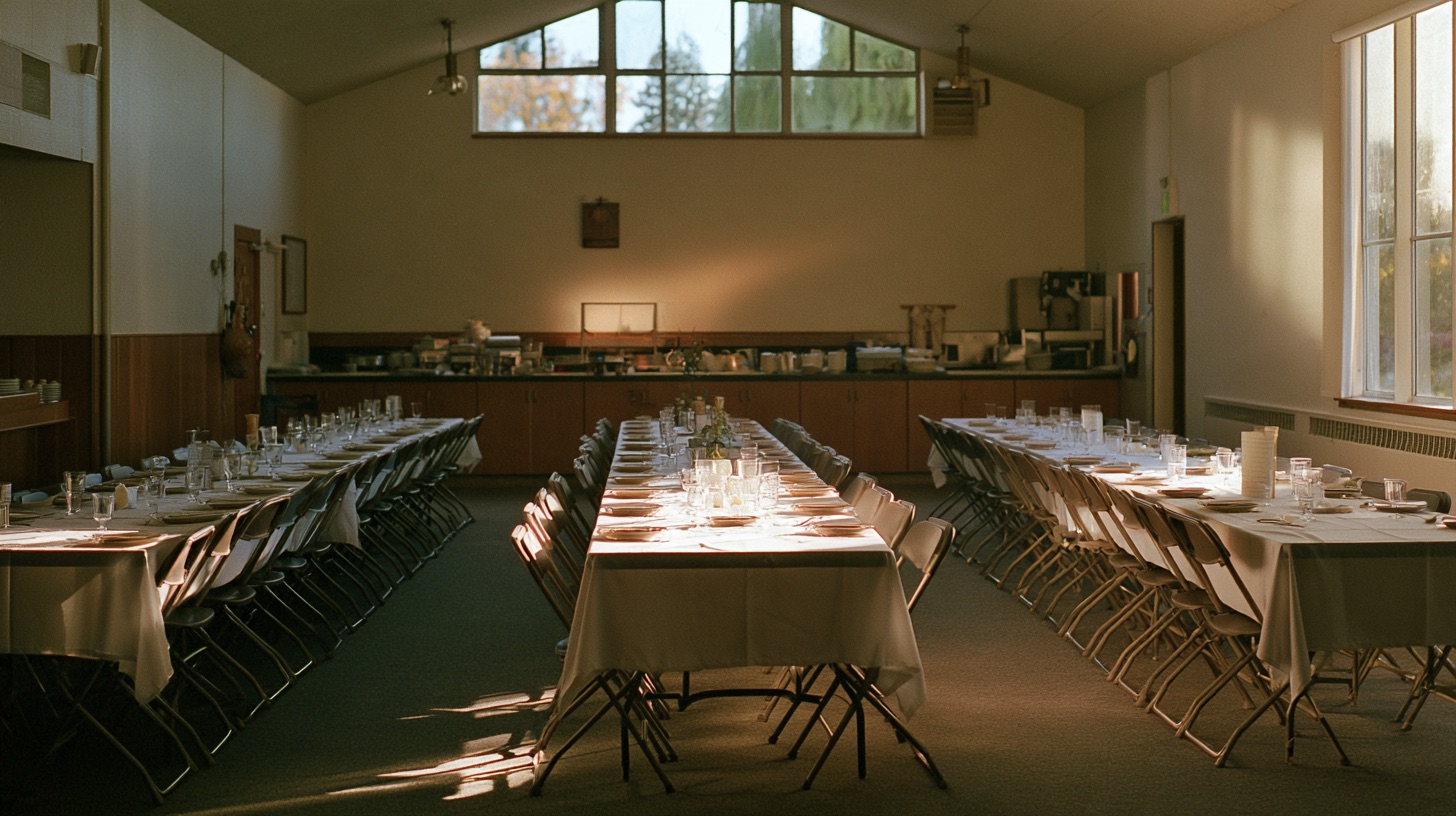
Four acres under the live oaks
Athanasius College is located on the four-acre campus of Providence Church, at 9600 N. Palafox Street in Pensacola. The College occupies the Education wing of the Office Building, with two classrooms, a lecture hall, and gathering spaces. The Sanctuary houses larger college events, and church-hosted fellowship activities take place in the Festival Hall. The campus enjoys spacious outdoor space and sprawling live oak trees.
What we are, and what we are not yet
Exempt from state licensure
Athanasius College operates under a Religious Exemption granted by the Commission for Independent Education of the Florida Department of Education, pursuant to Section 1005.06(1)(f) of the Florida Statutes. The College is not required to obtain state licensure to operate and is not under the jurisdiction or purview of the Commission.
Accreditation and transfer of credit
The College intends to pursue accreditation from a like-minded accrediting body, but such a process takes time and requires the College to already be in operation.
Program of Study
Athanasius College offers both a two-year Associate of Arts and a four-year Bachelor of Arts in Classical Christian Studies. Five courses a semester, fifteen credits, and everyone takes them together.
Classical Christian Studies. Years one and two: Foundations, then Integration and Confession.
Classical Christian Studies. Years three and four add Wisdom, Culture, and the Christian Imagination, then Leadership, Thesis, and Cultural Faithfulness.
Foundations
Writing with clarity, structure, and persuasion; emphasis on imitation, style, and argument.
Introduction to logical categories, fallacies, syllogisms, and disciplined thinking.
Homer, Plato, Aristotle selections, Old Testament narratives, and Gospel texts.
Canonical overview with covenantal structure and redemptive-historical emphasis.
Grammar, basic vocabulary, and translation; preparing students for theological and historical texts.
Advanced argumentation, oral rhetoric, and longer analytical essays.
Logic in service of theology, ethics, and rhetoric; introduction to philosophical theology.
Augustine, Athanasius, Boethius, Anselm, and Aquinas selections.
Canonical and theological overview centered on Christ, Church, and kingdom.
Continued grammar and translation; short theological and liturgical texts.
Integration and Confession
Speech, preaching fundamentals, debate, and public persuasion.
Councils, creeds, heresies, and the development of orthodoxy.
Doctrine of God, Trinity, Christology, and soteriology in creedal and confessional perspective.
How Scripture interprets Scripture; typology, covenant, and redemptive history.
Faith and reason, the Incarnation as the ground of learning, vocation, and culture.
Law, gospel, virtue, natural law, and Christian obedience.
Confessions, Protestant traditions, modern challenges, and the recovery of orthodoxy.
Ecclesiology, baptism, Eucharist, and eschatology.
Creeds, catechisms, and Reformed confessions as ecclesial documents.
Family, work, politics, education, and cultural faithfulness under Christ’s lordship.
Wisdom, Culture, and the Christian Imagination
Persuasion, beauty, metaphor, narrative, and poetic form; writing and speaking as acts of Christian stewardship.
Dante, Luther, Calvin, Shakespeare, Milton, Pascal, and early modern political and theological texts.
Biblical law, kingship, magistracy, liberty, justice, subsidiarity, sphere sovereignty, and the lordship of Christ over public life.
Beauty, form, harmony, psalmody, hymnody, iconography, architecture, and the formative power of worship and culture.
Intermediate translation with attention to Scripture, patristic, medieval, Reformation, or liturgical texts.
The trivium, the liberal arts tradition, catechesis, imitation, memory, virtue, and the formation of students under Christ.
Locke, Rousseau, Burke, Dostoevsky, Nietzsche, Lewis, Tolkien, and modern critiques of secularism.
Epistemology, metaphysics, natural theology, presuppositional reasoning, science, skepticism, and the defense of Christian truth.
Temple, covenant, priesthood, sacrifice, exile, kingdom, resurrection, and the typological unity of Scripture.
Literature, myth, symbol, liturgy, and cultural formation; a substantial essay connecting theology, literature, and vocation.
Leadership, Thesis, and Cultural Faithfulness
Theology as the queen of the sciences; Scripture, revelation, Trinity, creation, providence, and the ordering of all knowledge under God.
Readings in modern theology, political thought, economics, literature, and cultural criticism.
Shepherding, household rule, friendship, hospitality, institutional leadership, counsel, and public responsibility.
Guided reading in Latin, Greek, or Hebrew texts; fluency, theological vocabulary, and careful translation.
Selection of thesis topic, bibliography, research methods, thesis proposal, outline, and initial chapter draft.
Ecclesiology, sacraments, eschatology, mission, cultural labor, and the triumph of Christ in history.
Advanced oral presentation, formal disputation, public lecture, and defense of argument before faculty and peers.
Prudence, courage, justice, law, economics, family, church, education, and the rebuilding of Christian culture.
Selected from theology, history, literature, languages, music, education, political thought, or pastoral studies.
Completion, revision, presentation, and formal defense of a senior thesis integrating theology, liberal arts, and Christian vocation.
Courses subject to change.
A traditional four-point scale
Letter grades are assigned quality points per credit hour to calculate the semester and cumulative Grade Point Average. The scale evaluates performance, critical thinking, and linguistic mastery.
| Letter grade | Percentage | Quality points |
|---|---|---|
| A | 94–100% | 4.00 |
| A− | 90–93% | 3.67 |
| B+ | 87–89% | 3.33 |
| B | 84–86% | 3.00 |
| B− | 80–83% | 2.67 |
| C+ | 77–79% | 2.33 |
| C | 74–76% | 2.00 |
| C− | 70–73% | 1.67 |
| D+ | 67–69% | 1.33 |
| D | 64–66% | 1.00 |
| D− | 60–63% | 0.67 |
| F | Below 60% | 0.00 |
To be cleared for a degree
- Degree minimum. A cumulative GPA of 2.00, a “C” average, or higher across all completed coursework.
- Residency requirement. At least 100% of the required degree credits completed directly through instruction at Athanasius College.
- Financial clearance. All outstanding financial accounts and obligations with the College business office fulfilled.
Academic progress and prerequisites
- Retaking failed courses. An F earns zero credits and 0.00 quality points. If the course is a core or mandatory requirement, the student must retake it entirely and pass to qualify for graduation.
- The classical language barrier. Because the languages are cumulative, a C− or lower in any Latin, Greek, or Hebrew course bars advancement to the next level. The student must retake the prerequisite and earn a C (2.00) or higher.
- Academic probation. A cumulative GPA below 2.00 at the end of any semester places a student on Academic Probation, with one semester of monitoring and structured study to recover the 2.00 threshold. Failure to do so may result in academic suspension.
Neighboring and sister institutions
Students can couple their studies at the College with the pursuit of additional degrees, diplomas, certificates, or badges through neighboring or sister organizations. Some of this supplemental education can run concurrently with the Athanasius degree program; some is pursued after completion. These organizations are separate from the College and may have their own admission requirements and fees, unless otherwise stated.
- New Saint Andrews College
- Pensacola State College
- The Academy of American Civic RepublicanismUniversity of West Florida
- Theopolis Institute
- Redeemer School of the Arts
- Trinitas School of Music
- George Stone Technical College
Now accepting applications
Each applicant is evaluated holistically to determine their ability to complete a rigorous classical and theological curriculum. Enrollment is limited.
Four things the Admissions Committee reads
Before formal acceptance into any degree program, the Committee assesses the student’s academic preparedness through the following required methods.
Official academic transcripts
A high school diploma, verified homeschool transcript, or previous college coursework demonstrating sustained academic competence.
Writing sample or admissions essay
Critical thinking, clarity of expression, and rhetorical aptitude.
Ecclesiastical and academic references
Character, self-discipline, and intellectual maturity, via structured recommendation forms.
Admissions interview
A formal interview with faculty or admissions officers on motivation, aptitude, and alignment with the College’s demanding course of study.
What it costs
Athanasius College does not participate in federal Title IV student loan or financial aid programs. Any institutional financial assistance, scholarships, or private payment plans offered by the College are detailed in writing within the student’s formal enrollment agreement.
Payment terms. All tuition and assessed fees are due in full seven calendar days before the first day of the semester, unless the student has been approved for an official institutional payment plan. Accounts with outstanding balances after the deadline, without a verified and active payment plan, are subject to immediate administrative drop from all registered courses.
Fair, uniform, and prorated
In compliance with Rule 6E-1.0032(6)(i) of the Florida Administrative Code, Athanasius College maintains a fair, uniform, and equitable prorated refund policy for all students who fail to register, withdraw, drop out, or are disconnected from the institution prior to completing their term.
- Three-day right of rescission. All monies paid by an applicant, including application, registration, and tuition fees, are fully refunded if the applicant cancels their enrollment within three business days of signing an enrollment agreement and making a tuition payment.
- Denial of admission. If an applicant is denied admission, 100% of all monies paid, except the non-refundable application fee, are refunded within 30 days of the determination.
- Student withdrawal. Students who withdraw from a course or from the College must submit a formal Withdrawal Request Form to the Registrar; the date it is received determines the refund. Withdrawal before classes begin for the academic year earns a 100% tuition refund. Once classes start, refunds are prorated: 60% before the end of Week 2; 40% before the end of Week 2; 0% thereafter.
- Scholarship retraction. If a student who received institutional scholarships or grants withdraws, those awards are retracted and the refund is calculated on the full, baseline tuition cost. The student is responsible for any remaining balance this creates.
- Timeline for issuance. All eligible refunds are issued to the student’s account or original payment method within thirty calendar days of the official date of determination of withdrawal.
Disclosures
Financial obligations. Students are legally responsible for fulfilling all financial obligations detailed in their payment plans. The College does not issue student loans requiring long-term interest repayment. If a student secures an independent, private educational loan to fund tuition, the student bears the sole obligation to repay that loan according to the lender’s terms.
Employment placement. Athanasius College focuses strictly on spiritual, academic, and character formation. The College does not provide formal employment placement services, career counseling infrastructure, or job search guarantees. In compliance with state regulations, the College refrains from promising, predicting, or implying guaranteed employment placement, local market availability for jobs, or specific salary amounts upon graduation.
Relationship to state licensure. None of the degrees, certificates, or courses offered by the College are structured to meet the professional or educational requirements for state licensure to practice regulated secular occupations or professions within the State of Florida, such as public school teaching, secular professional counseling, law, or engineering.
Send me the program of study
We’ll send the full Program of Study, the tuition and fee schedule, and application dates for the Fall 2027 inaugural class.
The application itself is a $50 fee, transcripts, a writing sample, two references, and an interview.
This mockup does not send anything; the form only demonstrates the field states.
Self-governing adults in the life of the church
Education at Athanasius College extends beyond the classroom to encompass the whole person. Students are treated as adults who take responsibility for their homes, their local relationships, and the physical spaces they occupy.
Non-residential, and never on your own
The College is non-residential. Students find room and board arrangements with Providence Church member households, and take part in the hospitality, the many activities, and the robust worship the congregation is most known for. Classes meet in the Education wing on the four-acre church campus, near downtown Pensacola and the beaches of the Gulf coast.
Students are expected to wear professional academic or business-casual attire in the classroom, and to dress for the comfort of others as events and activities dictate.

Centered on the lordship of Christ, intellectual virtue, and Christian citizenship
Students are expected to conduct themselves in a manner consistent with the Scriptures, the historic Christian creeds, and the specific ecclesiastical standards of our community. The Code applies on and off campus for as long as a student is enrolled.
Personal holiness
Students pursue biblical standards of morality, self-discipline, and character in both their public and private lives.
- Ecclesiastical accountability. Active involvement and regular attendance at Providence Church or in a local, faithful church community.
- Substance use. Strict adherence to local laws regarding alcohol and controlled substances. Public intoxication, underage drinking, or drug use are severe breaches of Christian testimony.
- Sexual purity. Adherence to historic Christian teaching on sexuality, reserving sexual conduct exclusively for the biblical covenant of marriage between one man and one woman.
- Liberty without worldliness. Avoiding legalism while ensuring that personal, cultural, and recreational liberties do not degrade into ungodly or worldly behavior.
Sound doctrine
As a confessional Christian institution, the College requires students to respect and live in accordance with biblical truth and the historic creeds of the Christian faith, with an attitude of humility and submission to scriptural authority as they engage complex theological, historical, and cultural texts.
Academic integrity
Because scholarship is an act of service to Christ, academic dishonesty is treated as a profound moral failure rather than a procedural infraction.
- Plagiarism and cheating. Presenting another person’s work, writing, or ideas as one’s own without exhaustive attribution is strictly forbidden.
- Consequences. Verified academic dishonesty can result in immediate course failure and review for suspension or permanent dismissal.
Cultural reformation
Like our namesake, the College prepares students to stand against the world and for Christ in service to the church, community, and vocational callings, actively pursuing what is true, good, and beautiful.
- Speech and conduct. Speech that is robust, persuasive, and honest, and completely free of slander, gossip, or malice.
- Community responsibility. Self-governing adults who take responsibility for their homes, their local relationships, and the physical spaces they occupy.
Dress code
Professional academic or business-casual attire in the classroom, and dress for the comfort of others as events and activities dictate. This trains students to respect the gravity of the academic forum and to present themselves in an orderly way to the world.
If a student violates the Code, the disciplinary process is overseen directly by the Dean and the student’s Faculty Advisor, focusing on biblical repentance, restitution, and, where necessary, administrative separation from the College.
Respect, fairness, and Christian charity
When a student believes they have been treated unfairly or that an institutional policy has been misapplied, they have the right to seek a formal resolution.
Informal resolution. Before initiating a formal complaint, students are strongly encouraged to resolve the matter directly with the individual involved, in a manner consistent with the biblical principles of reconciliation outlined in Matthew 18.
Formal complaint procedure. If an informal resolution cannot be reached, or the nature of the complaint makes direct contact inappropriate:
- Submission. A written complaint to the Office of the Dean within fourteen calendar days of the incident, detailing the grievance, supporting evidence, and a desired remedy.
- Investigation. The Dean, or a designated administrative officer, reviews the submission and investigates, which may include interviewing witnesses and reviewing documentation.
- Written determination. Within twenty-one calendar days of receiving the complaint, the Dean issues a written decision outlining findings and any administrative actions taken.
When a violation is reported
- Interim measures. If the safety, moral environment, or operational integrity of the College is compromised, the Dean may implement immediate interim measures, including temporary suspension or restriction from campus activities, pending a full review.
- Notice of violation. A formal Notice of Disciplinary Review by email, outlining the charges, the expectations breached, and a date for a disciplinary conference.
- Disciplinary conference. The student meets with the Dean, or a designated committee, to discuss the allegations, present their perspective, and review the evidence.
- Sanctions. If the student is found responsible, a sanction proportionate to the infraction: an official admonition placed in the file; disciplinary probation; suspension, with forfeiture of tuition for the term; or expulsion, without the possibility of readmission.
Not a re-hearing
Students may appeal formal disciplinary sanctions or final academic grading decisions if they believe the outcome was reached unfairly or erroneously. Appeals cannot be submitted simply because a student disagrees with a decision. A formal appeal is considered only on one or more of these grounds:
- Procedural error. The College failed to follow its published procedures, and the error significantly affected the outcome.
- New evidence. Substantial new information, unavailable at the time of the original decision, that could materially change the outcome.
- Gross severity. The sanction was grossly disproportionate to the offense.
The appeal process
- Filing. A written appeal to the Office of the President within seven calendar days of the written sanction or final grade notification. The burden of proof rests entirely on the student.
- Committee review. The President convenes an ad hoc Appeals Committee of faculty and administrators with no prior involvement, who review the record, the appeal, and any new evidence.
- Final decision. The Committee recommends; the President decides, and may uphold, modify, or remand.
- Finality. The President’s written determination is delivered within fourteen calendar days of filing and is the final administrative action of the College. No further internal appeals are permitted.
Student Handbook, last updated June 26, 2026.
Come and see
The College is at Providence Church, on North Palafox Street in Pensacola. Visitors are welcome to sit in a class and to worship with the congregation.
Athanasius College
at Providence Church
9600 N. Palafox Street
Pensacola, FL 32534
Office of the Dean · Office of the President · Registrar · Business office
Education wing, Office Building, Providence Church campus.
